Import petsupplies
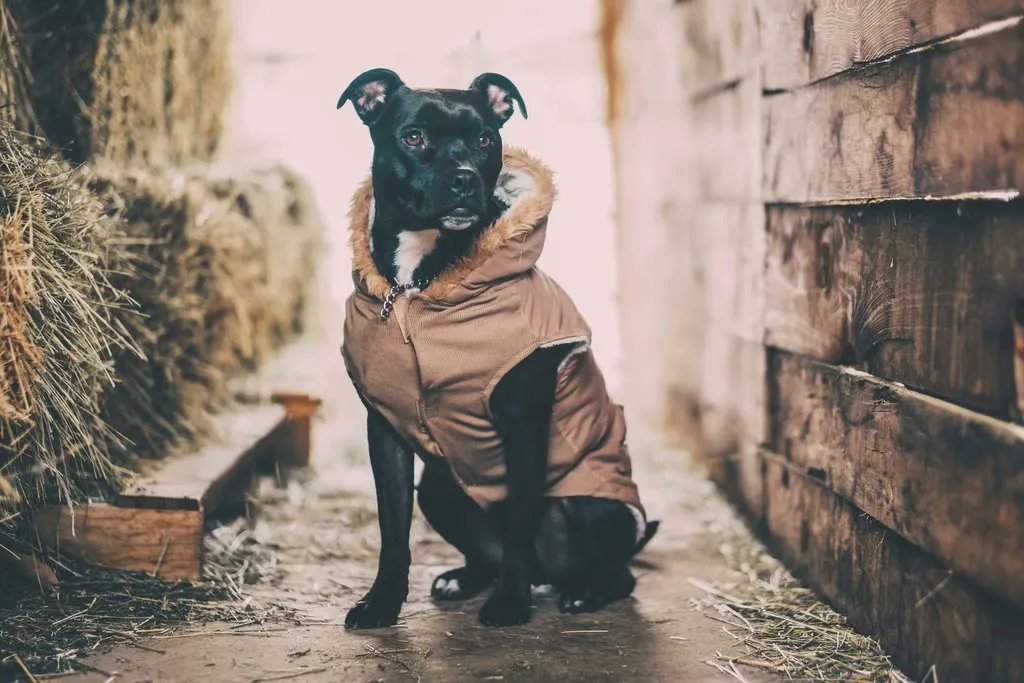
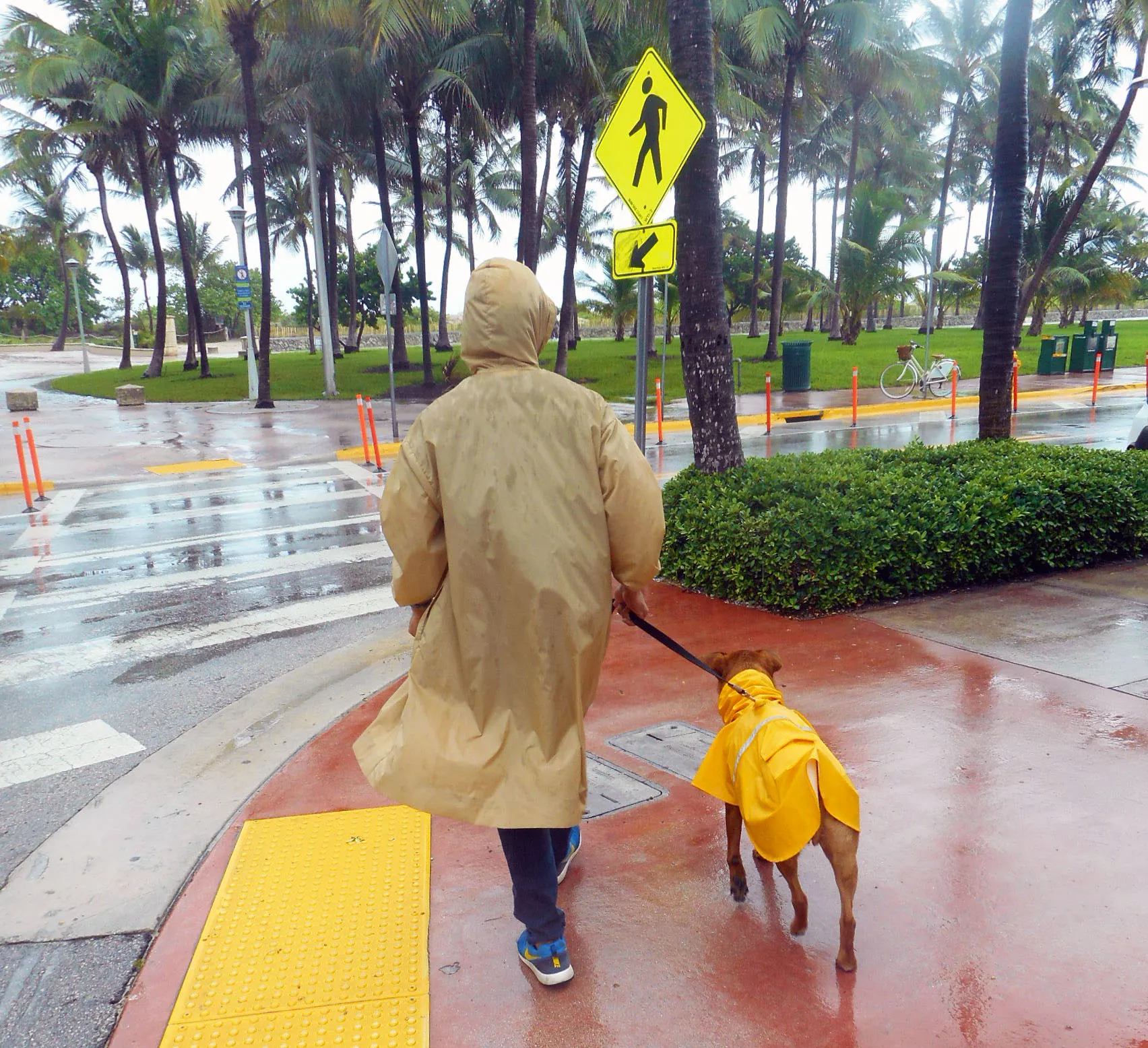
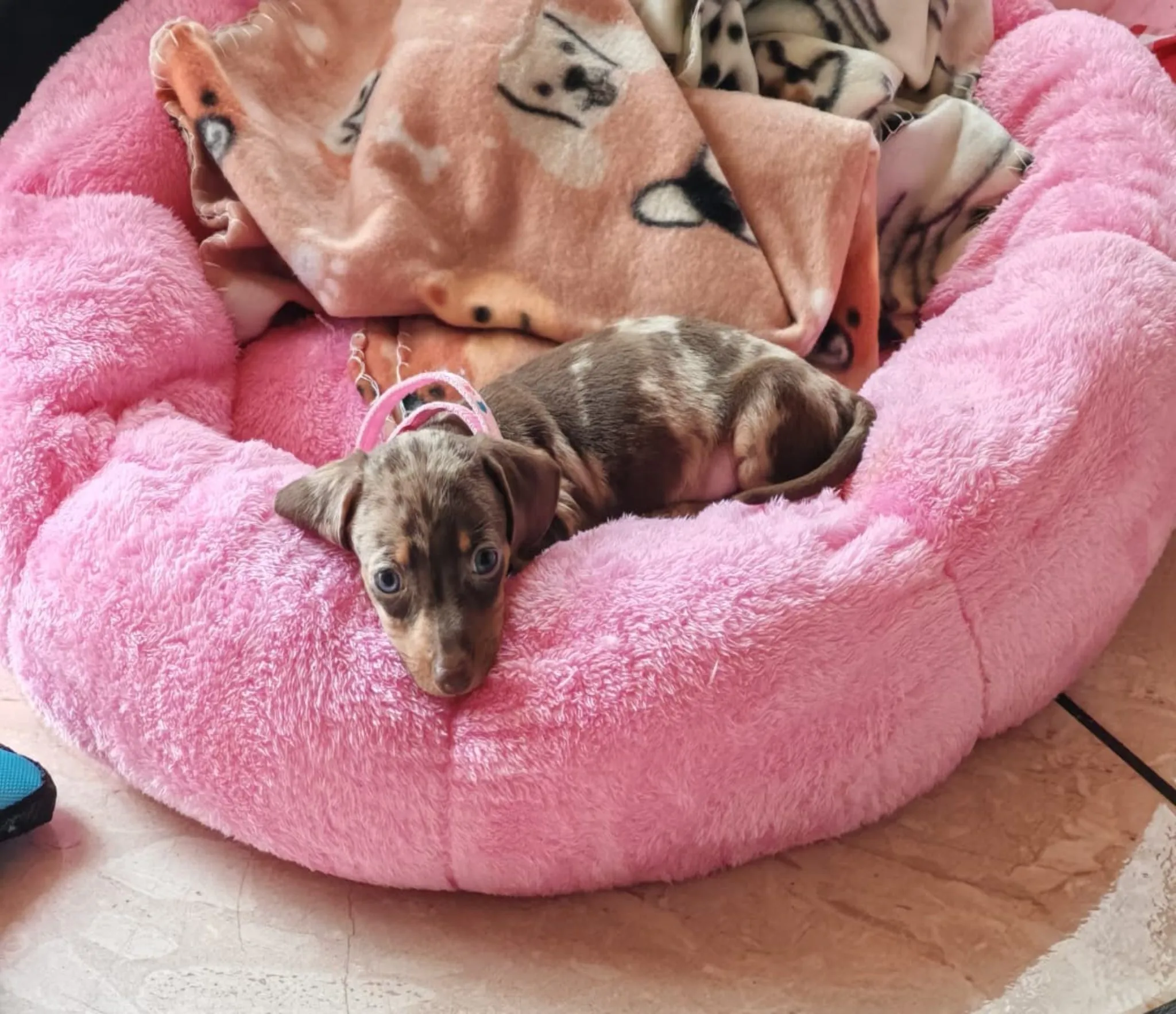
A plain guide for pet shops and small brands buying dog clothes, beds and blankets from Chinese factories.
Minimums, samples, inspection and freight, in that order.
Why first orders go wrong
First orders tend to go wrong in three places: a minimum the shop cannot sell through, a sample that looks nothing like the bulk, and freight nobody priced.
How importing works
First, find the maker.
Look for a factory that sews the thing you sell, not a trading company with a catalogue of everything. Ask for its business licence and photos of its own line.
Then, pay for samples.
Order samples in your size range and in the real fabric. Keep the one you approve as the golden sample: the bulk order is judged against it.
Check it before it sails.
Book an inspection when most of the order is packed. An inspector opens a random set of cartons and compares them with your golden sample.
Pick how it travels.
Small orders share a container. Bigger ones fill their own. The calculator below tells you which side of the line you are on.
What factories make
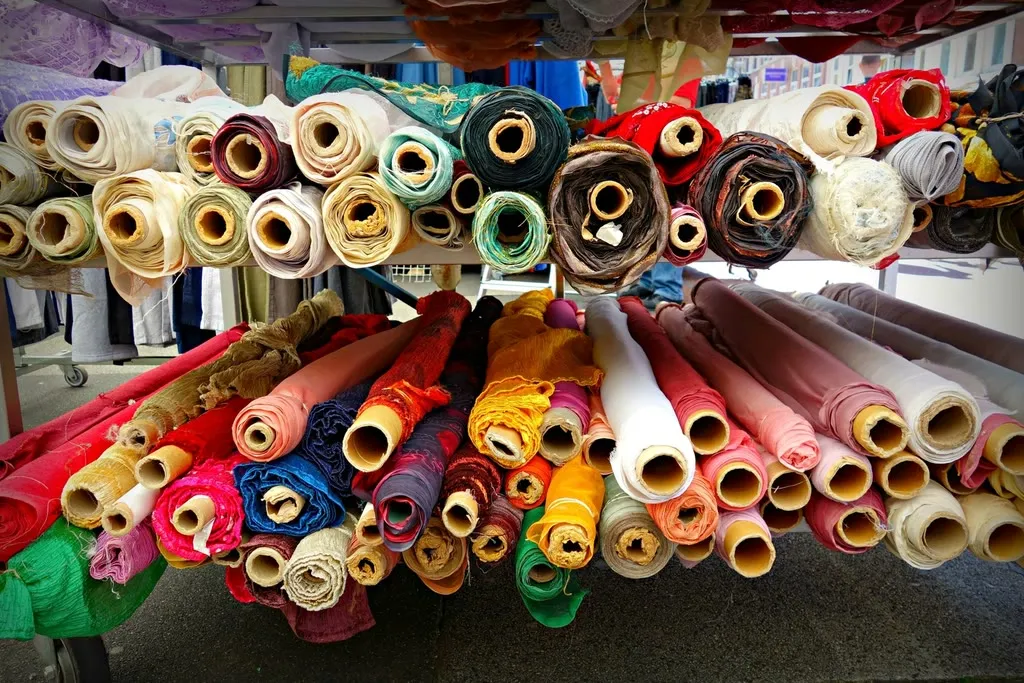
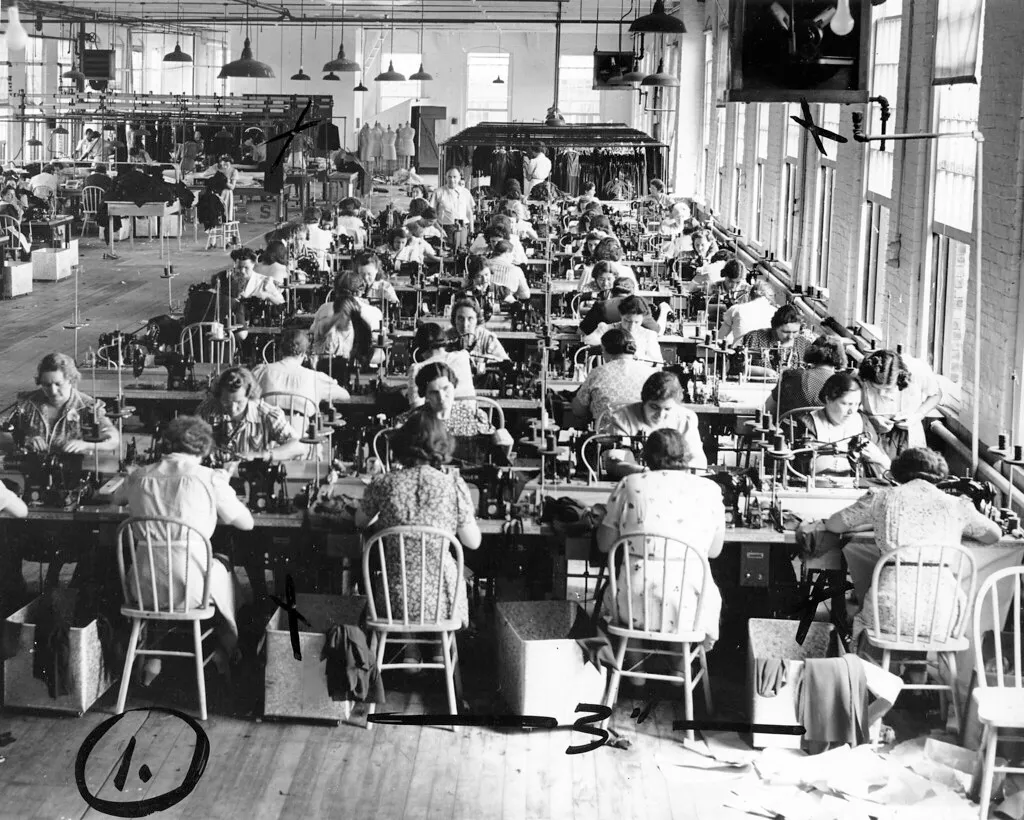
Pet supplies are mostly textile work: the same fabric mills and sewing lines that make clothes for people.
Size your order
Enter the carton size the factory quotes and how many pieces go in each. You get the number of cartons, the volume in cubic metres and the usual way to ship that much.
Your shipment
Share a container (LCL)
Under about 15 m³, you pay for the space you use in a shared container.
Cartons75
Volume7.2 m³
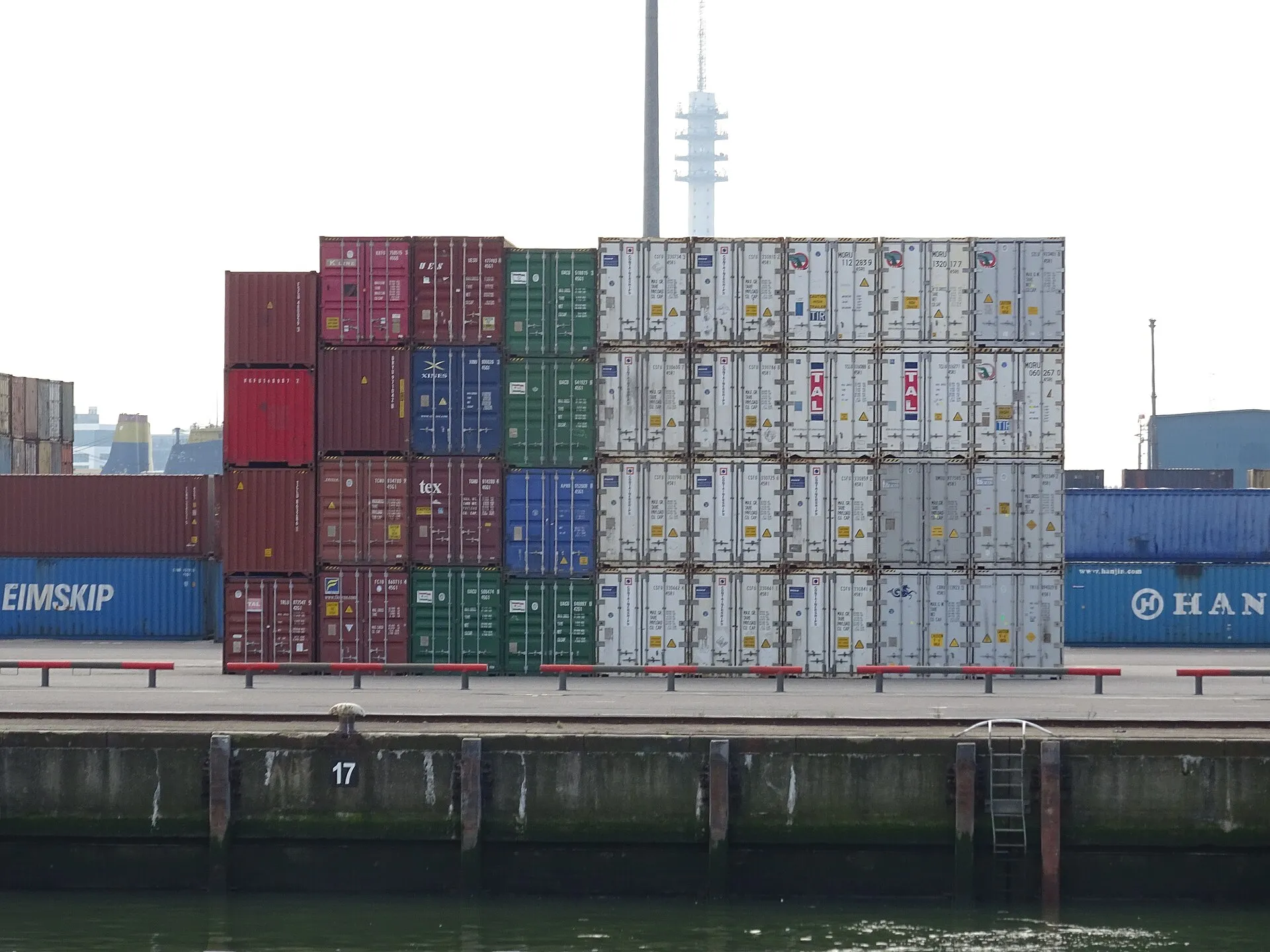
Rules of thumb: a 20-foot container holds about 28 m³ of cartons and a 40-foot high-cube about 68 m³, a little less than their inside volume because cartons never fit perfectly.
One high-cube container
68m³
The usable space for cartons in a 40-foot high-cube container. Its inside volume is about 76 m³; the gap is what packing loses.
Questions, filed
MinimumsWhat is a normal minimum order?
It depends on the product and the factory, but sewn items often start at a few hundred pieces per style, and colours or sizes can each count separately. A factory may lower the minimum if you use a fabric it already stocks.
SamplesShould I pay for samples?
Yes. Paid samples get made properly, and many factories refund the cost when you place the bulk order. Ask for samples in the exact fabric and the sizes you will sell.
InspectionWhen should the goods be inspected?
Before the final payment, when most of the order is finished and packed. A pre-shipment inspection checks a random selection of cartons against your golden sample and your size chart.
IncotermsFOB or DDP?
FOB means the factory delivers to the port in China and you handle the rest. DDP means the seller delivers to your door with duty paid. DDP is simpler; FOB gives you control over freight and its price.
US dutiesAre small parcels from China still duty-free in the US?
No. The US ended the duty-free treatment of low-value parcels from China in May 2025, and for all countries in August 2025. Check current duty rates for your product code before you price it.
ShippingHow long does sea freight take?
Weeks, not days, door to door, and longer around Chinese New Year, when factories close for several weeks. Plan your season backwards from the date you need stock on the shelf.